View High-Res Still Frame
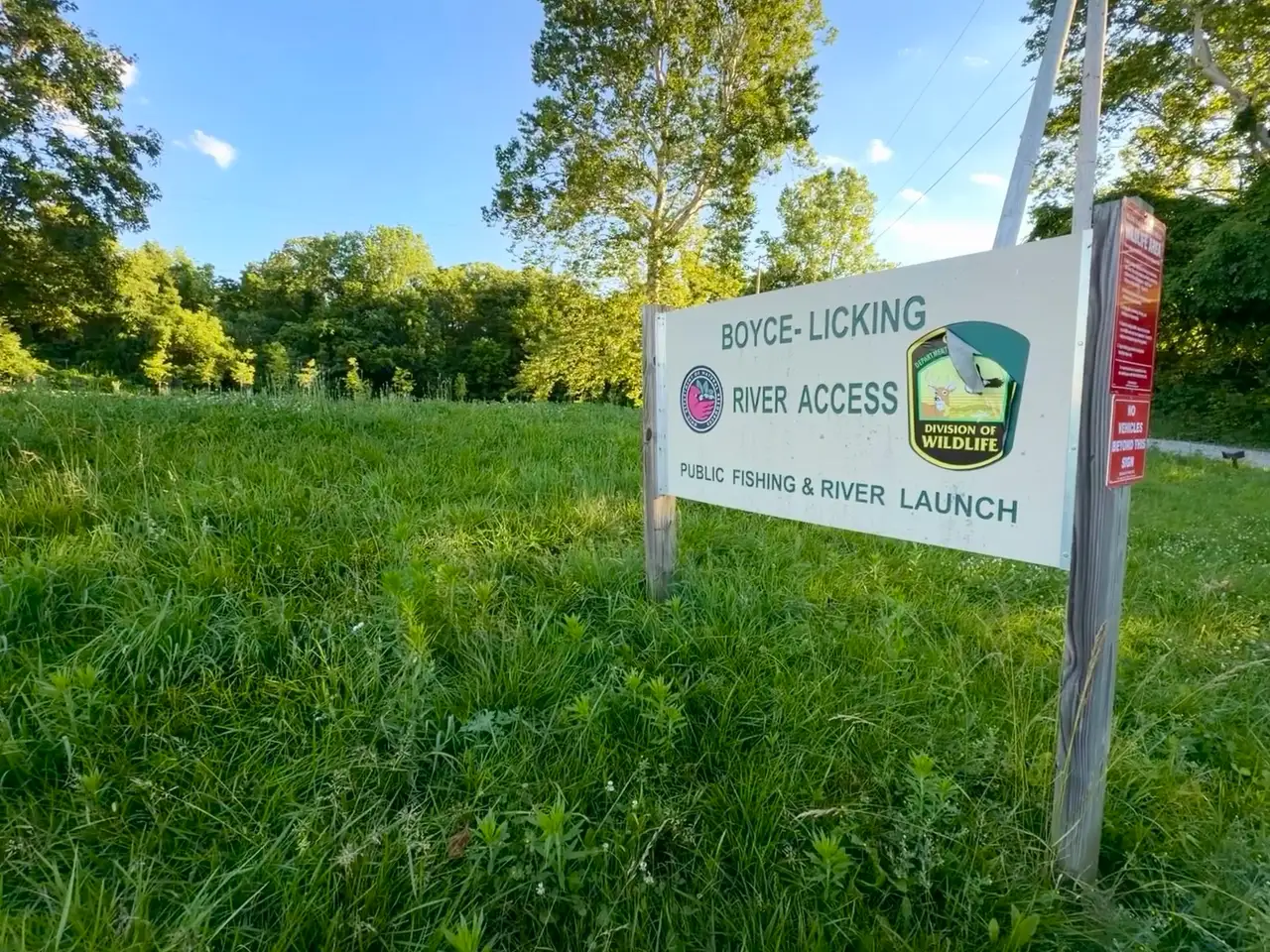
Boyce-Licking River Access: Find your flow.
A low-angle, wide-angle photograph captures a serene, sun-drenched natural landscape during late afternoon or early evening, characterized by soft, warm light. Licensable motion asset by Dylan Stanley.
Read Full Description
A low-angle, wide-angle photograph captures a serene, sun-drenched natural landscape during late afternoon or early evening, characterized by soft, warm light. In the immediate foreground and extending into the midground, a dense expanse of uncultivated herbaceous vegetation dominates the lower half of the frame. This field is a vibrant tapestry of various grass species (Poaceae family) and broadleaf weeds, displaying a spectrum of greens from luminous chartreuse where bathed in direct sunlight to deeper emerald and olive green in the shadows. Individual grass blades are slender and elongated, many reaching mature heights, interspersed with broader leaves of dicotyledonous plants, some possibly Common Ragweed (Ambrosia artemisiifolia) or similar herbaceous perennials. Delicate, slender stalks bearing small, pale white inflorescences, strongly resembling Queen Anne's Lace (Daucus carota) at an early flowering stage, dot the verdant field. The substrate, obscured by the dense foliage, appears to be rich, dark soil. Slightly to the right of the frame's center, a rectangular public information sign stands prominently. The sign face is an off-white or light beige composite material with dark green sans-serif lettering. The primary text reads "BOYCE-LICKING RIVER ACCESS" above "PUBLIC FISHING & RIVER LAUNCH." Two circular logos are affixed: a pinkish-purple and white seal on the left, too indistinct to fully read, and a larger, shield-shaped emblem for the "DEPARTMENT OF FISH AND WILDLIFE RESOURCES, DIVISION OF WILDLIFE" on the right, depicting a White-tailed deer (Odocoileus virginianus) leaping, with a stylized duck (Anseriformes) in flight against a forest green and pale blue background. The main sign is securely mounted on two weathered, rough-hewn wooden posts, which exhibit a muted grey-brown hue and visible vertical grain. Attached to the right wooden post are two smaller, vertically stacked rectangular warning signs, rendered in a vivid brick-red with crisp white text. The upper sign's text is partially obscured but appears to detail regulations for a 'WILDLIFE AREA'. The lower sign clearly states: "NO VEHICLES BEYOND THIS SIGN." In the background, a dense line of mature deciduous trees (likely a mix of Populus deltoides, Acer rubrum, and Quercus species) forms a lush, undulating canopy of deep forest green and brighter lime green where kissed by sunlight. Their bark appears a light grey-brown, generally smooth. Faint power lines, thin dark grey strands, are visible horizontally across the upper midground, partially camouflaged by the tree canopy. The sky above is a brilliant cerulean blue, gradually lightening towards the horizon, with a single, small, wispy white cumulus cloud in the upper left. The camera's perspective is slightly low-angle, with the focal plane set on the main sign and the immediate foreground vegetation, creating a gentle, natural bokeh in the background trees. The overall mood is one of natural tranquility and public access to a managed wildlife area.