The look starts to drift.
Mixed cameras, lighting, capture dates, and photographers create small differences that become obvious when the images sit together.
- Skin, product color, and contrast shift
- Individually polished frames stop feeling related
Campaign retouching partner · Columbus, Ohio + remote
Commercial retouching and finishing for photographers, agencies, production teams, and brands that need consistent color, carefully finished frames, clear review, and production-ready delivery.

What “start with one frame” means
You are not being asked to explain an entire campaign through a contact form. One useful image lets Dylan see the real source condition, understand the intended look, and price the work without guessing.
Send one non-confidential frame plus the reference the set needs to follow.
If the project fits, Dylan scopes and prices the first finished frame so color, texture, cleanup, and construction become concrete.
The approved frame becomes the visual standard for the remaining images, review rounds, and final outputs.
Where post-production breaks down
Most breakdowns are not a lack of talent. They happen when the visual reference, the review path, and the delivery plan separate from one another.
Mixed cameras, lighting, capture dates, and photographers create small differences that become obvious when the images sit together.
Screenshots, side conversations, and multiple reviewers generate motion without establishing a clearer decision.
Late crops, missing color spaces, unclear filenames, and overworked technique move the problem downstream instead of finishing it.
The control: one approved visual standard, one route for feedback, and one delivery map before the full set moves.
Selected final images
Verified work from the studio’s existing retouching portfolio, selected to show product, food, apparel, portrait, interior, and constructed campaign finishing. Final images are shown without unsupported before-and-after claims.



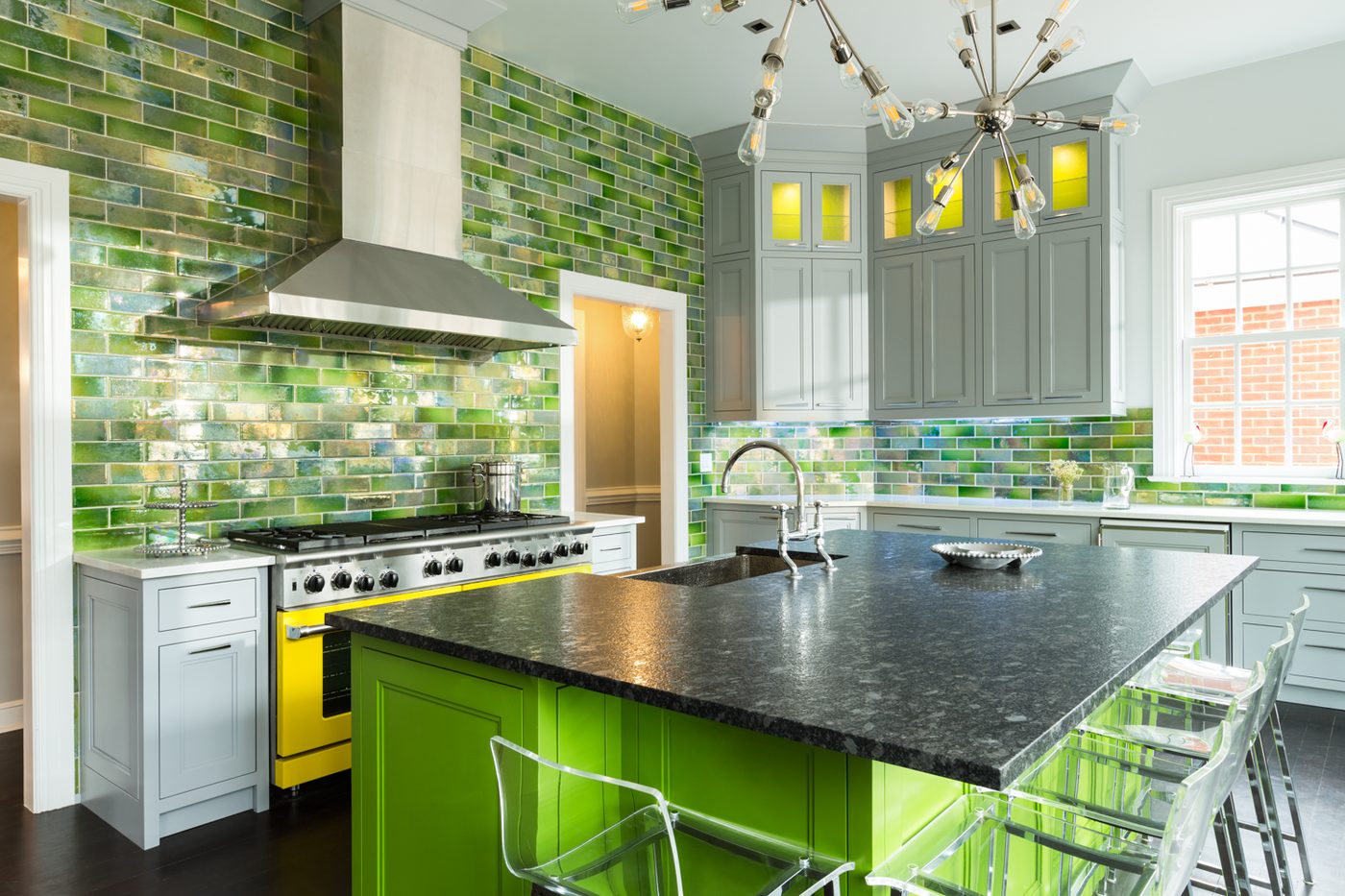






From one frame to the full set
Begin with one representative image and the approved visual reference. After reviewing source complexity, Dylan scopes the alignment frame and the broader set so the visual standard is clear before full production begins.
Balance exposure, white point, product color, skin, contrast, and density so separate frames belong to the same visual system.
Remove dust, distractions, temporary rigging, surface marks, flyaways, and production artifacts while keeping the image believable.
Control edges, reflections, labels, materials, surfaces, shape, and color so the product reads accurately across its intended channels.
Refine texture, temperature, color, highlights, pours, crumbs, surfaces, and background elements without turning appetite into plastic.
Shape tone, texture, fabric, hair, makeup, skin, and silhouette with restraint appropriate to the subject and the approved direction.
Combine selected elements, extend environments, rebuild transitions, and integrate lighting, scale, focus, and color into one coherent frame.
Establish repeatable background, crop, scale, color, shadow, garment, and on-figure standards across product sets or ongoing libraries.
Balance mixed light, windows, perspective, surfaces, reflections, verticals, and room-to-room color without erasing the character of the space.
Prepare agreed crops, dimensions, sharpening, color spaces, formats, and channel-specific exports for print, web, social, retail, or ecommerce.
Keep masters, approvals, variants, and exports clearly named and organized so the handoff remains usable after the project closes.
Why Dylan
I work across photography, direction of photography, production, retouching, and digital asset management. That changes how I finish an image. I am not only looking for what can be cleaned up; I am looking for why the frame was made, what the photographer protected on set, how an art director will evaluate it, and what the approved file has to do next.
The studio’s infrastructure is built around the same idea: protect the creative while making review, versions, naming, and delivery easier to trust.
More about Dylan’s practice →Reads light, lens behavior, texture, depth, and the original point of view.
Understands the brief, the set, the people making decisions, and the pressure around delivery.
Knows when technique supports the image—and when it starts calling attention to itself.
Plans for naming, variants, metadata, reuse, and the reality of a growing asset library.
Share a non-confidential preview or transfer need, the approved visual reference, approximate image count, deadline, outputs, and the person consolidating feedback.
Dylan reviews source condition and complexity, then replies with project fit, a price for finishing the first frame, and the cleanest way to price the broader set.
The representative frame aligns color, texture, cleanup, construction, and output expectations before the remaining images move.
Once the treatment is approved, the same visual judgment is applied across the commissioned images with one consolidated review path.
Approved masters and requested exports arrive clearly named, versioned, sized, and organized for the people who need to use them next.
Useful after approval
Deliverables are agreed before finishing begins so the last step is not a scavenger hunt for missing crops, color spaces, or naming decisions.
Before you send files
For a deeper distinction between retouching and finishing, read the studio journal note.
Read Retouching vs. Image Finishing →Yes. I can work as a standalone post-production partner for photographers, agencies, production companies, brands, and in-house teams. The brief should identify the photographer or creative owner, the approved visual direction, and who will consolidate feedback.
Begin with one representative frame or a non-confidential preview, the approved visual reference, approximate image count, required outputs, deadline, and the person responsible for consolidated feedback. Confidential source-file transfer is confirmed after the initial review.
Yes. An approved frame, color reference, brand standard, or channel example can establish the treatment on one representative image before the broader set is commissioned.
Yes. The representative frame establishes the visual and technical standard first. The larger set is then quoted according to image count, source condition, complexity, outputs, review structure, and schedule.
The project scope defines reviewers, the feedback route, approval stages, and final outputs. Consolidated notes and clearly labeled versions keep contradictory comments and duplicate files from driving the process.
Yes. Final outputs can be prepared to agreed dimensions, crops, color spaces, sharpening, and file formats for print, web, social, ecommerce, retail, or campaign use.
No. Dylan Stanley Studio is based in Columbus, Ohio, and works remotely with photographers, agencies, production companies, and marketing teams in other markets.
Estimates are based on the representative frame, image count, source condition, complexity, compositing needs, outputs, review structure, and schedule. If the project is a fit, I reply with a price for finishing the first frame and the clearest path for pricing the broader set.
Start with one image
Choose the frame that best represents the work the rest of the set will need—not necessarily the prettiest or easiest one. A useful frame shows the typical source quality, the most important subject or product, and enough complexity to reveal how the broader job should be scoped.
Dylan reviews the preview and project facts first. If it is a fit, you receive a price for the first finished frame and a clear route for estimating the remaining set. Nothing is uploaded publicly, and sending the form does not commit you to the full campaign.
Do not place confidential files or passwords in this form. If the source image needs a secure handoff, describe the transfer method and Dylan will confirm the route.